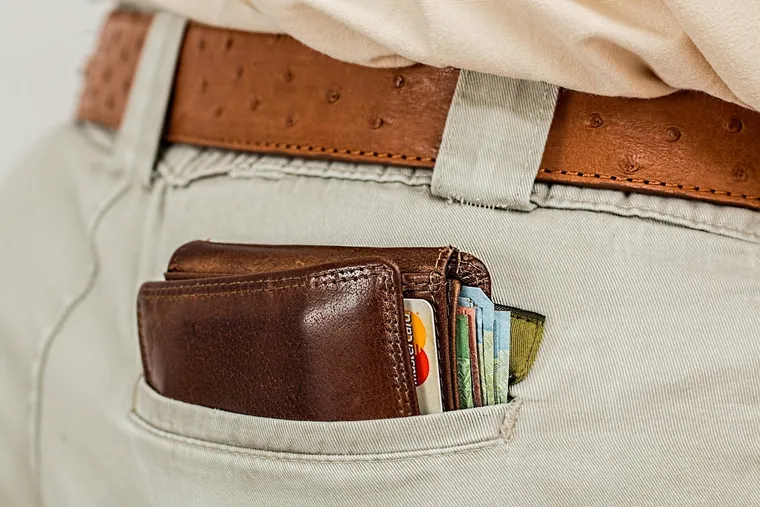
If you want to buy bitcoin with cash in Israel, there is really one address: Bitcoin Change (ביטקוין צ׳יינג׳ in Hebrew). No other operator of crypto ATMs or cash desks is active in the country as far as we could find, and the two licensed retail platforms, Bits of Gold and Bit2C, only take bank transfers or cards. Paying in banknotes means walking into one of Bitcoin Change’s 11 branches, showing ID, and accepting a fee several times higher than online.
That does not make cash a bad choice for everyone. A grandmother in Haifa without an international credit card, a student in Beer Sheva holding birthday money in an envelope, or a tourist who would rather talk to a person than an app all get something from a staffed desk. What matters is knowing the price, the legal ceiling and why the guy at the corner change shop offering a better rate can end up costing far more than 7%.
Where to buy bitcoin with cash: the Bitcoin Change network
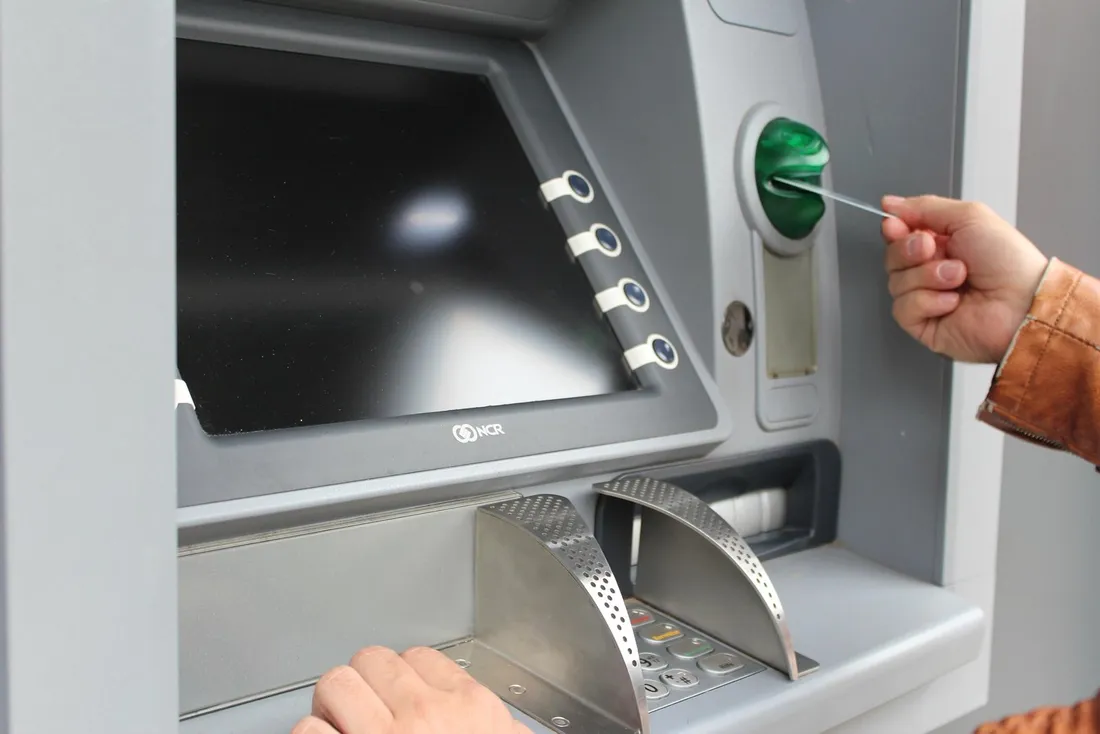
Bitcoin Change was founded in July 2017; its first branch sat in the well-known building at Dizengoff 99 in Tel Aviv. Today it runs 11 branches, each with staff and a two-way Lamassu machine, so you can both buy and sell. Prices come live from the Kraken exchange: a screen in the branch shows the market rate and the machine shows the shekel price with the fee included. Branches open Sunday to Thursday and on Friday mornings, close for Shabbat, and Eilat works by WhatsApp appointment only.
Addresses and hours follow the operator’s website as of 5 October 2026. Public maps such as BTC Map and OpenStreetMap are missing several branches and some still show the old 6% fee. We could not read Coin ATM Radar (it blocks automated checks), so phone ahead before a long trip. Our Bitcoin ATM guide covers the machines themselves, and the city pages for Tel Aviv, Jerusalem and Haifa show what else is nearby.
What cash costs compared with buying online
The desk fee is 7% in each direction. Bitcoin Change raised it from 6% during 2026 and calls it its first price update in ten years. Its own worked example is simple: put in ₪100 and you receive bitcoin worth ₪93. There is no separate currency-conversion fee because everything happens in shekels, and the minimum purchase is ₪20.
The gap only becomes clear next to the alternatives. If you buy and later sell at the same desk, the round trip costs about 14%. A bank-transfer purchase at Bits of Gold starts at 1.95% plus VAT, and the Bit2C order book charges between 1.25% and 0.05%. Buying by card on an international exchange costs 0.49% to 4.99% plus a service charge.
| Payment route | Fee | Coins worth, per ₪1,000 | Bank account needed? |
|---|---|---|---|
| Cash at a Bitcoin Change desk | 7% | ₪930 | No |
| Bank transfer to Bits of Gold | 1.95% + VAT, ₪43 minimum | ~₪949 | Yes |
| Bit2C Pro order book | 1.25% and lower | ~₪987 | Yes |
| Card on an international exchange | 0.49%–4.99% + service charge | ₪950–995 | Card |
Fee only, from the operators’ sites on 5 October 2026. On ₪1,000 the Bits of Gold minimum fee applies. Exchange-rate spread, network fees and any card-issuer FX fee are not included.
Put simply, cash costs three to five times more than the online routes. What you pay for is access when you have no other route, plus face-to-face help. What you do not get is anonymity: you identify yourself at the desk exactly as you would in an app. For a line-by-line view of what each route leaves in your pocket, see our bitcoin to shekel calculator.
Israel’s cash law: how much you can pay in notes
The Law for the Reduction of the Use of Cash applies to crypto because it limits the payment side, not the asset. Since 1 August 2022 the caps are ₪6,000 for any deal where one side is a business (previously ₪11,000) and ₪15,000 between two private individuals (previously ₪50,000). The Israel Tax Authority enforces the law and the fines are heavy. Splitting one deal into smaller pieces to stay under the cap is itself prohibited.
Bitcoin Change adds its own customer limits on top: ₪10,000 a day, ₪20,000 a week and ₪30,000 a month. We could not find out how the operator squares a ₪10,000 daily limit with the ₪6,000 per-deal legal cap, and we are not going to guess on its behalf. The practical point: cash deals are capped both by law and by the operator, and anyone who needs to buy more should switch to a bank transfer or a card.
One more change is worth knowing. An amendment approved by the Knesset Constitution Committee in March 2026, as part of the Economic Arrangements Bill, extends the ₪6,000 cap to cheque cashing, requires financial service providers to file quarterly reports on transactions above ₪50,000, and lengthens record keeping from three to seven years. Separately, since 2021 licensed crypto providers have reported operations of ₪50,000 or more to the Money Laundering Prohibition Authority. These details come from secondary summaries, so check the Tax Authority’s calculator before a large deal.
What to bring and how the first visit works
The first visit takes longer than the rest, mostly because of the ID check. This is the process as the operator describes it:
- Two valid ID documents
An Israeli ID card plus a passport or a driving licence. Staff photograph both.
- A short questionnaire
The operator says it is required under the Money Laundering Prohibition Authority’s rules. Questions about where the money comes from are routine.
- A wallet on your phone
Coins go to your own address; the branch does not hold them. No wallet yet? Staff can help you install one. Read our wallet guide first and back up your recovery words.
- Feed banknotes into the machine
The screen shows the shekel price including the 7% fee. Once you confirm, the coins are sent to your wallet. Keep the receipt.
- Keep records for tax
Bitcoin Change says it does not report to the Tax Authority on your behalf and reminds customers that capital gains tax is 25%. You will need those receipts when you sell. How crypto tax works in Israel.
The network sells four coins, BTC, ETH, BCH and USDT, and accepts only shekel cash, not dollars or euros. Branches also sell hardware wallets such as Ledger and Trezor, so you can sort out storage on the same visit.
Unlicensed bitcoin change shops: why to stay away
Israel has hundreds of licensed currency-service providers, but their licence covers ordinary currency exchange, cheque cashing and remittances. It does not cover crypto. Selling bitcoin or USDT to the public requires a financial-asset service licence from the Capital Market Authority, and we found no money changer that advertises one. When a change shop, a flat or a WhatsApp group offers you USDT for cash, the likeliest explanation is an unlicensed business.
The problem is more than paperwork. Police and the National Bureau for Counter Terror Financing have tracked such changers for years, and wallet addresses tied to them get seized. Coins bought from a "tainted" address can be frozen, and your own exchange or bank account may come under review. We do not list, recommend or rate any informal changer.
- Jul 2021Seizure order on 84 wallets
The NBCTF ordered the seizure of wallets it linked to Hamas.
- Mar 202230 wallets of an exchange house
A Defence Minister’s order targeted wallets linked to the Shamlakh family’s Al-Mutahadun exchange.
- Nov 2024Mea She’arim change-shop case
Maariv reported that a raid by the Lahav 433 cyber and crypto unit seized crypto worth $101 million.
- Mar 2025Bitin shut down
The Capital Market Authority closed an unlicensed exchange and fined it about ₪1.7 million.
- Sep 2025187 USDT addresses
The NBCTF listed addresses it linked to Iran’s IRGC; Tether blacklisted 39 of them.
Bitcoin Change
- CMISA permit, full licence application pending
- Kraken rate and a published 7% fee
- ID, receipt and records for your bank and tax return
- Fixed address, phone and opening hours
Shop, flat or Telegram
- No financial-asset service licence
- Unknown price, no receipt
- Risk of tainted coins and frozen accounts
- Often already on the police radar
Selling bitcoin for cash
The same machine works in reverse. You choose how many shekels you want, in multiples of ₪100, send the coins from your wallet to the address the machine shows, and collect the notes. The fee is the same 7%: in the operator’s example, to receive ₪100 you send coins worth ₪107. The same daily, weekly and monthly limits apply.
Which coins you can sell is less clear. The homepage says BTC, ETH and BCH only, with ETH on ERC-20 only, while the FAQ says USDT can be sold too. If you plan to cash out USDT, phone the branch before you send anything. For larger amounts, selling on a licensed platform and withdrawing to your bank is far cheaper and leaves a clean paper trail. See how to sell crypto and cash out, and for what your bank will ask, crypto and Israeli banks.
No desk in your city? Your legal options
The network clusters in the centre and a few large cities. There is no crypto cash point in Petah Tikva, Ashdod, Holon, Bat Yam, Bnei Brak, Herzliya, Ashkelon, Ra’anana, Kfar Saba or Rehovot, nor in Nazareth, Arab-majority cities or the Upper Galilee. Residents there have three legal routes:
- Travel to the nearest branch. From Bnei Brak to Ramat Gan, Tuval 36, is about 3 km; from Petah Tikva about 8 km; from Holon and Bat Yam to Tel Aviv about 6 km; from Ashdod to Rishon LeZion about 24 km, and from Ashkelon about 40 km.
- Deposit the cash into your own bank account and transfer to a licensed platform. Bits of Gold’s bank-transfer purchases start at ₪750, and Bit2C only accepts money from a single Israeli account in your own name. Your bank will apply its own anti-money-laundering checks to the deposit. Buying by bank transfer.
- Card or Apple Pay. Not cash, but available anywhere and cheaper. Buying with a card.
A cash P2P deal between two private people is legal up to ₪15,000, but we do not recommend arranging such meetings. In our snapshot of the shekel P2P market on 5 October 2026, not one advert offered in-person cash, and the risks of fraud, robbery and stolen coins are high. More in P2P in shekels and crypto scams. The full map of every city is on crypto by city.
Cash is a legitimate way to start, not a way to save money. A regulated desk at 7% beats a changer offering a better rate with no receipt, every time.
If you buy small amounts now and then and have no card or bank account that suits it, the desk is a reasonable answer. If you plan to buy regularly or in larger sums, an online platform costs far less and gives you the records your bank and the Tax Authority will want.
Frequently asked questions
Where can I buy bitcoin with cash in Israel?
The only legal option we could document is Bitcoin Change, a network of 11 staffed branches, each with a two-way crypto machine: Tel Aviv, Jerusalem, Haifa, Ramat Gan, Rishon LeZion, Netanya, Beer Sheva, Afula, Ein Shemer, Karmiel and Eilat (by appointment). The licensed online platforms, Bits of Gold and Bit2C, do not accept cash at all.
How much does it cost to buy bitcoin with cash?
As of October 2026 Bitcoin Change charges 7% on purchases and 7% on sales, on top of the Kraken market rate. Its own example: hand over ₪100 and you receive bitcoin worth ₪93. The fee went up from 6% during 2026, so older map listings may still show 6%. Online routes usually cost 0.5% to 2.5%.
Can I buy bitcoin with cash without ID in Israel?
Not legally. On your first visit to Bitcoin Change you need two valid ID documents, an Israeli ID card plus a passport or driving licence. Staff photograph them and you fill in a short questionnaire required under anti-money-laundering rules. Anyone selling crypto for cash with no ID check is almost certainly unlicensed, and that risk lands on you.
What is the legal cash limit for buying crypto?
Under the Law for the Reduction of the Use of Cash, since August 2022 you may not pay a business more than ₪6,000 in cash per transaction, and the cap between private individuals is ₪15,000. Bitcoin Change also limits each customer to ₪10,000 a day, ₪20,000 a week and ₪30,000 a month. Larger amounts have to go by bank transfer or card.
Can I sell bitcoin for cash in Israel?
Yes, at Bitcoin Change branches. You send coins from your wallet to the machine and collect banknotes in multiples of ₪100, again at 7%: to receive ₪100 you send coins worth ₪107. The homepage lists BTC, ETH and BCH for cash-out; its FAQ also mentions USDT, so ask the branch before sending USDT.
Sources
- Bitcoin Change — branches, limits and coins · checked October 2026
- Bitcoin Change — FAQ (fee, Kraken rate, ID) · checked October 2026
- Globes — lower cash limits from August 2022 · secondary source
- Maariv — Lahav 433 and the Mea She’arim crypto seizure · 12 November 2024
- Bit2C FAQ — no cash deposits · checked October 2026
- Capital Market, Insurance and Savings Authority · licensing of financial-asset services
Ready for your first coin?
Sign-up and the ID check take a few minutes. Then you can buy Bitcoin, Ether or USDT with a Visa or Mastercard, or with Apple Pay.
It holds no Israeli CMISA licence, and neither does any other international exchange in this guide.